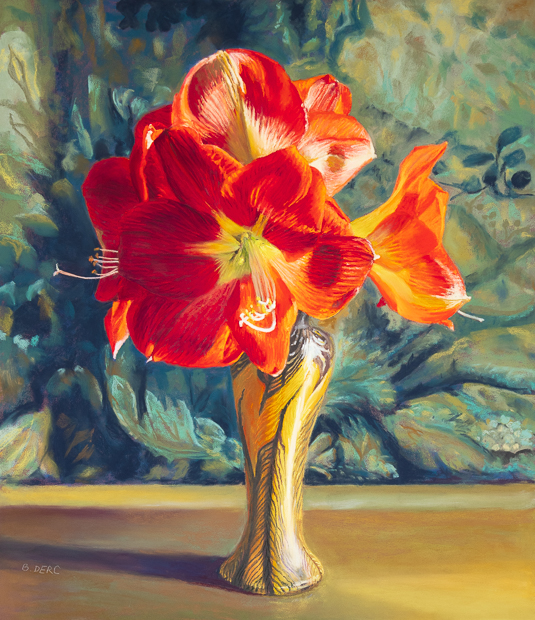
Photography and my art
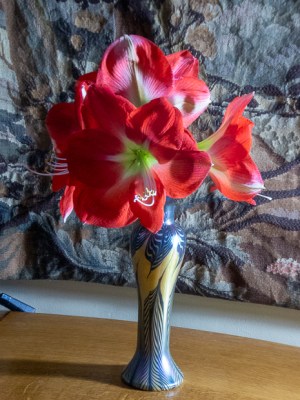
Taking photographs of my subjects is an essential part of my process. So much so that I have put in as much effort to acquiring photography skills as I have drawing skills.
There are so many challenges in painting that I am not going to hesitate to use tools that will assist me. I know I am not alone in this, many artists use photographs, though we may vary in how we use them and why.
My foremost reason is to be able to refer to my subject matter exactly how it looked in the moment I knew I wanted to paint it. In the time it takes to paint them, the flowers in my still lifes would have lost their petals, the sun in my sunrises would have set, and the clouds will have traversed the globe. Having my subject matter captured in a photograph liberates me from the anxieties of time passing.
Photographs are also a useful aid to evaluating an idea for a painting. If a scene excites my imagination but looks dull as dishwater when photographed, I have to ask myself why? Sometimes, an idea simply isn’t strong enough but other times, I can see that the photograph simply hasn’t captured what I wanted to capture. Usually the camera settings are not right or the range between the brightest and darkest areas is too wide to capture all the details. Solving these problems in a photograph helps me to understand how to solve them in a painting. One lesson I have learnt the hard way, particularly when photographing dramatic landscapes, is to take notes as I photograph. It is so easy to assume that the beauty of a scene will stay in the memory but it fades quickly and if there is something about the photograph that falls short, a note of what it is can be very helpful.
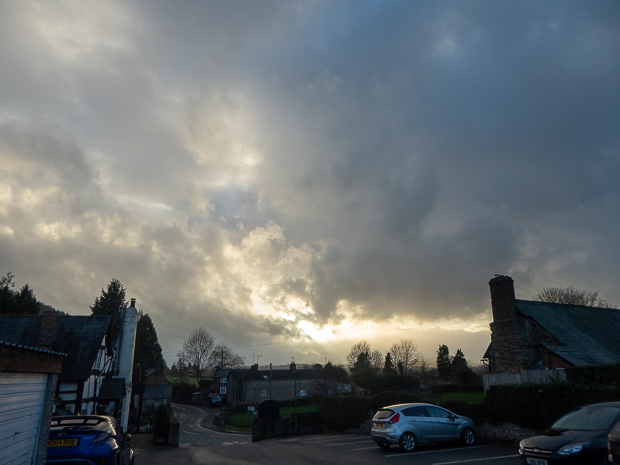
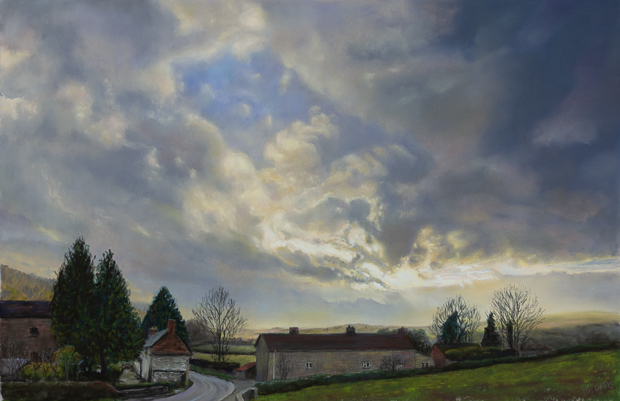
Another use of photographs has arisen from my mistakes. One of the hardest things for me to master is the distribution of light, darks and greys within the composition. Recognising that something is wrong is easier than fixing it. On more than one occasion, I have photographed my painting and then adjusted the lights and darks in the photograph before returning to my picture to make adjustments. It is quicker to edit the photograph and to test various ideas and avoid overworking the painting and ruining it in the process.
Of course the subjects in my photographs are seldom exactly how I would like them to be. These are things that I can adjust in a preliminary sketch or as I paint. If a vase is too tall, I can shrink it. If a building is in the way, I can move it, but most commonly, the subject must be simplified.
 BRIDGET'S FINE ART PASTELS