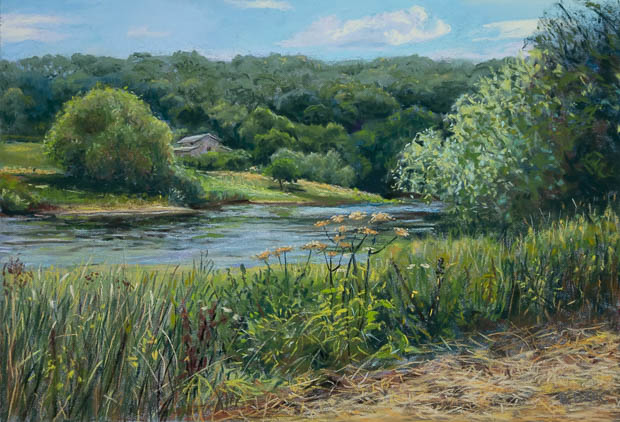
The Art of Composition
Like many other artists (I suspect), when I first tried to paint landscapes, I struggled to compose fine scenes. I found many resources advising on composition and tried hard to follow them. Often the advice was contradictory, and I was never very satisfied with the results. I also watched other artists’ videos where they took seemingly ordinary reference photos and rendered them into attractive paintings. How could they do that? What was I missing?
I live in an area of outstanding natural beauty. I should have been painting what is on my doorstep, but I couldn’t quite find compositions that worked. Or rather, as I have since come to understand, I was trying to achieve compositions that were misplaced. The landscape around me is bucolic with low hills and a gently winding river and I was seeking to convey the sublime. Occasionally, when the weather is stormy, the sublime may be possible. For the rest of the time, simple pastoral scenes are all that are available.
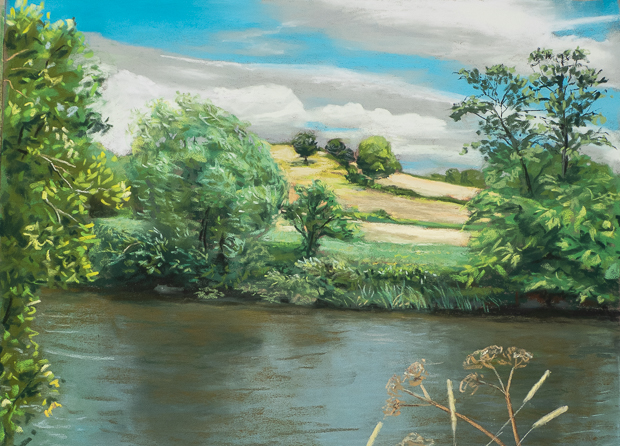
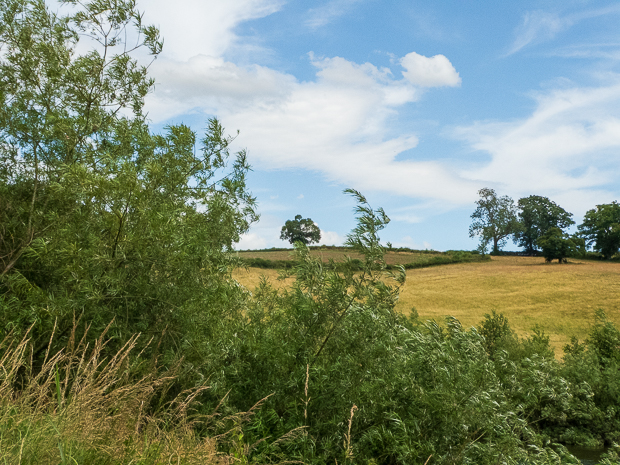
Over time all that anxiety over composition has changed. I can step out from my home and immediately start to see scenes that I am inspired to paint. Whether this transition has come about because I have absorbed the advice on compositions, or whether I have simply let go of my concerns about composition, I now find myself with a myriad of reference photos I’m eager to paint. Whether or not they make attractive compositions no longer seems to concern me. And just one short walk, that I take for exercise, can provide me with numerous reference photos for my pictures. Some I paint on a small scale, more or less as studies, while others are destined to be rendered in finer detail on larger supports.
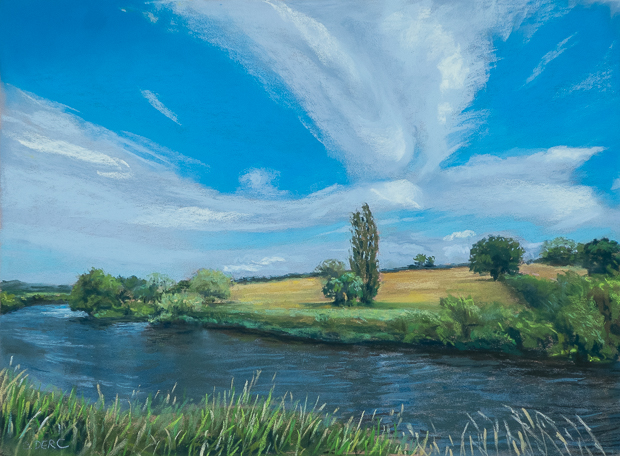
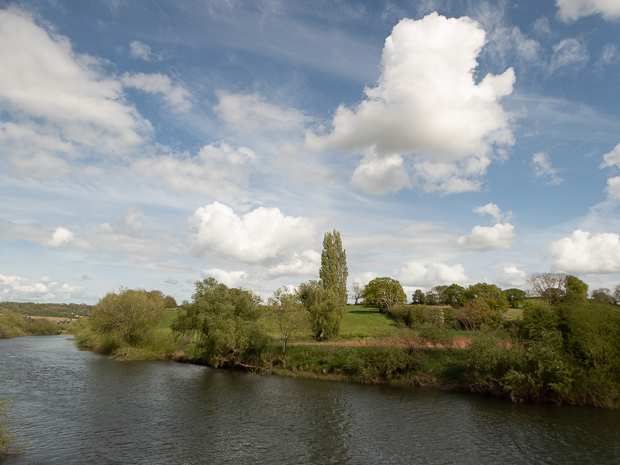
The scenes in these pictures are from a short section of the River Wye not far from Hereford. The Golden Mile is the name of a privately owned fisherman’s beat and the path alongside it forms part of a favourite walk.
 BRIDGET'S FINE ART PASTELS